Boreal Songbird Initiative : Reports & Other Publications
SEARCH SITE 


Oilsands killing birds, habitat, report says

Margaret Munro
December 2, 2008

Photo by D. Faucher / Ducks Unlimited Handout

Canada's massive oilsands projects are cutting a deadly swath through one of the most valuable avian nurseries left on the planet, wiping out habitat and nesting areas used by millions of birds each year, says a new report.

Virtually every facet of the oilsands - from the enormous open-pit mines to sprawling refineries and pipelines - affects waterfowl and songbirds that come from "all over the Americas" to nest in Canada's boreal forest, says the study to be released Tuesday in Edmonton by leading environmental organizations.

"Each year, between 22 and 170 million birds breed in the 35 million acres of boreal forest that could eventually be developed for tarsands oil," says the report, the latest salvo in the battle over Western Canada's oilsands development, which could eventually cover an area the size of Florida.


Birds "don't just move elsewhere", the report says: "Not only do many adult birds die when faced with lost and fragmented habitat and ponds of mining waste, but future generations of birds will have lost their chance to exist."


The report, "Danger in the Nursery: Impact on birds of tarsands oil development in Canada's Boreal forest", adds up the threats and estimates between 6 million and 166 million birds could be lost due to the oilsands development over the next 30 to 50 years.


"The higher-end estimates are probably closer to reality," says lead author Jeff Wells, senior scientist at the U.S.-led Boreal Songbird Initiative, an international organization dedicated to protecting birds and the forest. The estimates are based on available surveys, studies and data pulled together by Wells and his co-authors at the Canadian-based Pembina Institute and the U.S.-based Natural Resources Defense Council.


The report and its numbers are sure to be controversial. But they highlight a "huge" problem that deserves more attention, says noted ecologist David Schindler, at the University of Alberta. "It is a very important report," says Schindler, noting how it pulls together information from peer-reviewed and reputable journals.


"I think many people figure that, as long as there are a few trees standing, so that a moose can lie down and a bird can sit in it and sing, then they'll be OK," says Schindler, noting how the opposite is true for many species, which are proving highly susceptible to noise and habitat destruction. The oilsands drilling and mining operations are, he says, creating "big alienation zones."


Every spring, more than half of America's birds flock to Canada's boreal forest, which runs from Quebec to the Yukon. It's estimated every 2.5 square kilometres of the forest can support as many as 500 breeding pairs of migratory birds.


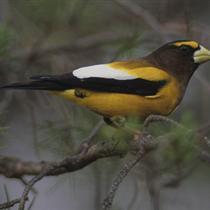
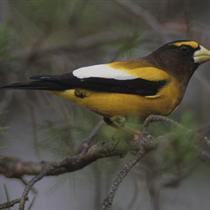
Scientists have been alarmed for years about the drastic declines in bird populations, with some species such as the Olive-sided Flycatcher and Evening Grosbeak dropping 70 to 80 per cent in the past 40 years. Wells says there are many threats to the birds, but the oilsands stands out because it is "so destructive."


Strip mines, which "wipe out all wildlife and plant habitat," cover about 65,000 hectares of northern Alberta and could eventually cover 300,000 hectares if all proposed projects go ahead, the report says. Lakes and ponds are drained, streams are diverted, forests are removed to make way for giant trucks, and shovels dig up to 100 metres down to get at the oil-laden sand.


Tailing ponds can also be death traps, as highlighted last spring when about 500 ducks died after landing on one of the giant, oil-laden ponds. That is just the "tip of the iceberg" says Wells, who pegs the current mortality in the ponds from 8,000 to 100,000 birds a year, figures that could more than double if all the proposed projects go ahead.


The report says another 76 million birds could be lost because of fragmentation and loss of habitat by roads and pipelines. It says water diverted for the oilsands could also have "profound impacts" on birds, including the endangered Whooping Crane, which nests downstream from the oilsands in Wood Buffalo National Park.


There is "no evidence" the landscape - or bird habitat - can be restored to its original condition, says the report, which estimates that the proposed mining operations will eventually destroy breeding habitat for between 480,000 and 3.6 million birds.


The report also calls for a moratorium on new oilsands projects, which the current economic crisis is, in effect, creating by putting the brakes on many oilsands projects.

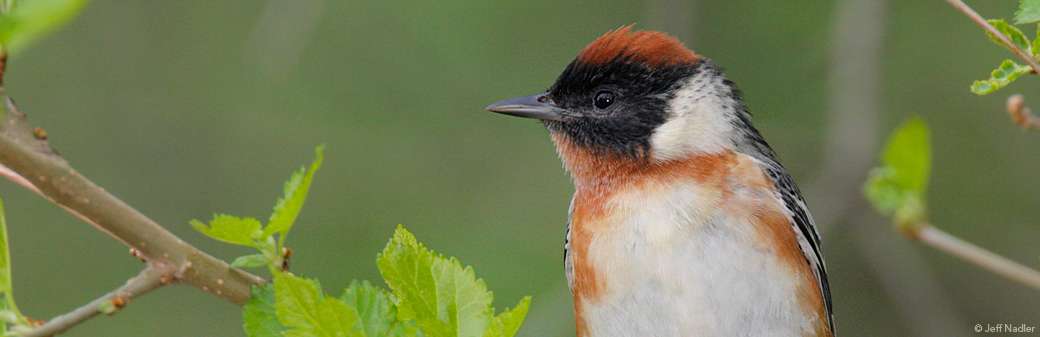
Banner photo credit: Northern Images, by Wayne Sawchuck
Jennings Lake in northern BC


FAIR USE NOTICE:
This site contains copyrighted material the use of which has not always been specifically authorized by the copyright owner. We are making such material available in our efforts to advance understanding of issues of environmental and humanitarian significance. We believe this constitutes a 'fair use' of any such copyrighted material as provided for in section 107 of the US Copyright Law. In accordance with Title 17 U.S.C. Section 107, the material on this site is distributed without profit to those who have expressed a prior interest in receiving the included information for research and educational purposes. For more information go to: http://www.law.cornell.edu/uscode/17/107.shtml. If you wish to use copyrighted material from this site for purposes of your own that go beyond 'fair use', you must obtain permission from the copyright owner.


info@borealbirds.org | 206.956.9040 | Newsletter UnsubscribeCopyright © 2007 Boreal Songbird Initiative