Comprehensive Guide to Boreal Birds
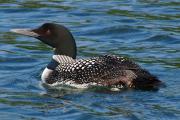 © John Picken/Wikimedia Commons (CC 2.0) Gavia immer An estimated 74% of the species' North American population breeds within the Boreal Forest. |
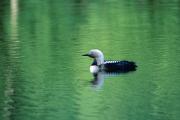 © John Mosesso Jr., NBII Gavia pacifica An estimated 65% of the North American population of Pacific Loon breeds in the Canadian and Alaskan boreal forest. |
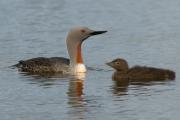 © David Karnå/Wikimedia Commons (CC 3.0) Gavia stellata An estimated 24% of the species' North American population breeds within the Boreal Forest. |
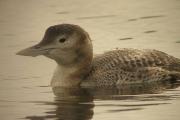 © Len Blumin/Wikimedia Commons (CC 2.0) Gavia adamsii An estimated 10% of the species' North American breeding range lies within the Boreal Forest. |
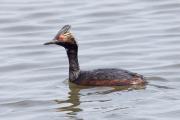 © Bill Bouton/Wikimedia Commons (CC 2.0) Podiceps nigricollis An estimated 9% of the species' North American breeding range lies within the Boreal Forest. |
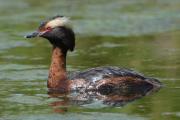 © Connor Mah/Wikimedia Commons (CC 3.0) Podiceps auritus An estimated 79% of the species' North American population breeds within the Boreal Forest. |
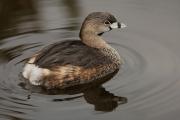 © Dori/Wikimedia Commons (CC 3.0) Podilymbus podiceps An estimated 9% of the species' North American population breeds within the Boreal Forest. |
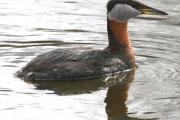 © Donna Dewhurst, USFWS Podiceps grisegena An estimated 93% of the species' North American population breeds within the Boreal Forest. |
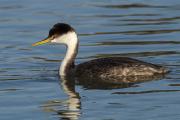 © Frank Schulenburg/Wikimedia Commons (CC 3.0) Aechmophorus occidentalis An estimated 8% of the species' North American breeding range lies within the Boreal Forest. |
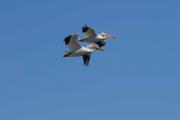 © Dave Menke, USFWS Pelecanus erythrorhynchos An estimated 21% of the species' North American population breeds within the Boreal Forest. |
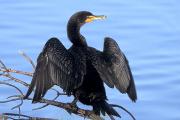 © Peter Wallack/Wikimedia Commons (CC 3.0) Phalacrocorax auritus An estimated 48% of the species' North American population breeds within the Boreal Forest. |
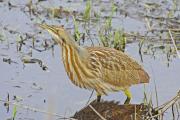 © Sallie Gentry, USFWS Botaurus lentiginosus An estimated 48% of the species' North American population breeds within the Boreal Forest. |
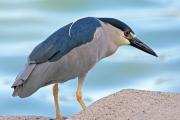 © Dick Daniels/Wikimedia Commons (CC 3.0) Nycticorax nycticorax An estimated 5% of the species' North American population breeds within the Boreal Forest. |
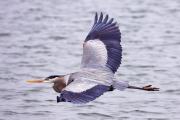 © Alan D. Wilson/Wikimedia Commons (CC 2.5) Ardea herodias An estimated 7% of the species' North American population breeds within the Boreal Forest. |
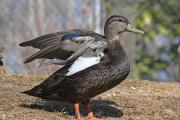 © Dick Daniels/Wikimedia Commons (CC 3.0) Anas rubripes An estimated 52% of the species' North American population breeds within the Boreal Forest. |
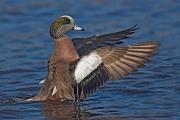 © Alan D. Wilson/Wikimedia Commons (CC 3.0) Anas americana An estimated 64% of the species' North American population breeds within the Boreal Forest. |
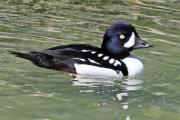 © Dick Daniels/Wikimedia Commons (CC 3.0) Bucephala islandica An estimated 52% of the species' North American population breeds within the Boreal Forest. |
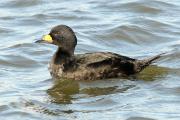 © Peter Massas/Wikimedia Commons (CC 2.0) Melanitta nigra An estimated 84% of the species' North American population breeds within the Boreal Forest. |
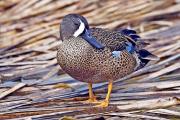 © Alan D. Wilson/Wikimedia Commons (CC 2.5) Anas discors An estimated 15% of the species' North American population breeds within the Boreal Forest. |
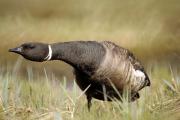 © Tim Bowman, USFWS Branta bernicla This species more relies on the Boreal Forest region for migratory stop-over habitat than for breeding. |