October 14, 2020
We are excited to welcome new Boreal Songbird Initiative board member Tim Richardson. Tim brings a wealth of experience and expertise in the fields of conservation and campaign management. He will...
December 19, 2018 | Jeff Wells
One of my delights as a teenager growing up in Maine was to watch the stream of Cliff Swallows that darted from their gourd-shaped nests under the eaves of the barn to search for the insects they fed...
October 22, 2018 | Jeff Wells
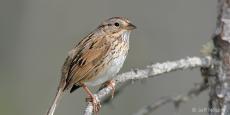
Billions of birds are right now flying south from Canada’s Boreal forest to wintering grounds from the U.S. to South America. While this incredible flow of life washes across our continent, news...
October 9, 2018 | Dr. Jeff Wells
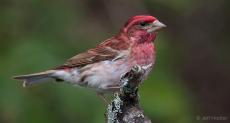
Our beloved birds and other parts of the natural word are, of course, highly impacted by the changes in climate that are underway and they are expected to be challenged for survival if the changes...

September 14, 2018 | Dr. Jeff Wells
A rare event will take place next week in Austria. What makes the occasion so remarkable is the coming together of hundreds of people from around the globe who study and care about the world’s Boreal...
June 29, 2018 | Dr. Jeff Wells
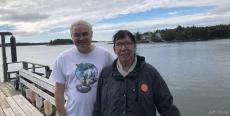
Recently an elder from the Lutsel K’e Dene First Nation in the Northwest Territories of Canada arrived in Maine after two days of traveling. Why did she endure all that grueling travel? She was...
May 10, 2018 | Jeff Wells
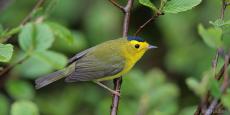
One of the most celebrated symbols of spring around the world is the arrival of migratory birds. As late migrants navigate through our neighborhoods and as earlier migrants begin to settle in and...
February 27, 2018 | Dr. Jeff Wells
There is big news for us humans today. That’s because the Canadian government released a new budget that will do good things for the natural world that we, and all animals and plants, rely on for...
February 22, 2018 | Dr. Jeff Wells
The years 1914 to 1918 are an abstraction for most of us. But those years played a pivotal role across much of the world. A small regional conflict and a series of political miscalculations drew in...

February 13, 2018 | Dr. Jeff Wells
Early one fall morning more than 22 years ago, together with perhaps 8-10 of my colleagues from the Cornell Lab of Ornithology, I piled into a large white van. We rode south from Ithaca, New York for...